
From 17 January 2026, South Africa’s social welfare system enters a new phase as SASSA introduces a rule aimed at ending overlapping grants within the same household. The change targets cases where multiple grants are claimed for similar needs under one roof, a practice officials say strains limited public funds. By tightening household-level assessments, the government hopes to improve fairness and ensure support reaches families who need it most. For many beneficiaries, this marks a significant shift in how grants are reviewed, approved, and continued.
SASSA Enforces Single Household Grant Rule
The new policy focuses on how grants are distributed within a household rather than assessing each applicant in isolation. SASSA will now evaluate combined circumstances, income sources, and dependants to prevent duplicate assistance for similar needs. Officials argue this creates fairer allocation across communities while reducing abuse of the system. Households that previously received multiple overlapping benefits may face automatic reviews starting in January. While the rule does not remove all grants, it introduces stricter screening to ensure support aligns with actual household need. Beneficiaries are encouraged to update personal information early to avoid payment interruptions.

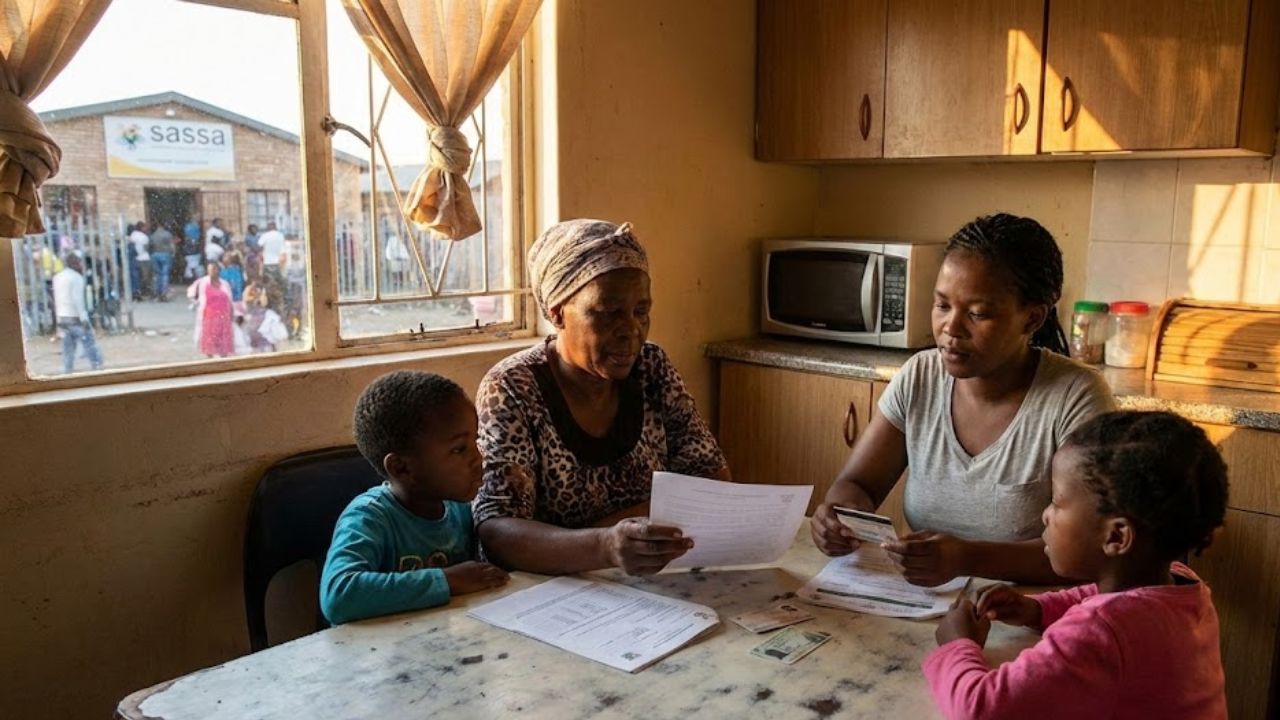
How the single-household approach affects current beneficiaries
For existing grant recipients, the change may feel unsettling, but SASSA insists most legitimate households will continue receiving support. The biggest impact falls on families where grants covered similar expenses, triggering payment reassessment. In such cases, one grant may be prioritised to reflect the household’s primary need. Authorities say this prevents system overlap while protecting vulnerable members like children and the elderly. Beneficiaries should expect verification checks through databases and possible requests for updated documents. Clear communication from SASSA aims to reduce confusion and help families adjust smoothly.

Why SASSA is tightening rules on multiple grants
The reform is driven by long-term sustainability concerns and public pressure for accountability. With millions relying on social assistance, overlapping payouts create budget pressure and limit resources for new applicants. By enforcing a household-based model, SASSA hopes to strengthen fraud prevention and redirect savings to under-supported groups. Officials also highlight policy alignment with international welfare standards that focus on households, not individuals alone. While critics worry about short-term hardship, the agency believes clearer rules will build trust and ensure grants remain viable.

Summary and practical outlook
Overall, the new rule signals a shift toward tighter management of South Africa’s grant system. Ending overlapping support within households is meant to improve efficiency without cutting essential aid. Success will depend on transparent communication, quick dispute resolution, and ongoing beneficiary awareness. Households should review their grant status, keep records updated, and seek clarification when unsure. If implemented carefully, the change could deliver long-term stability while maintaining social protection for those most in need.

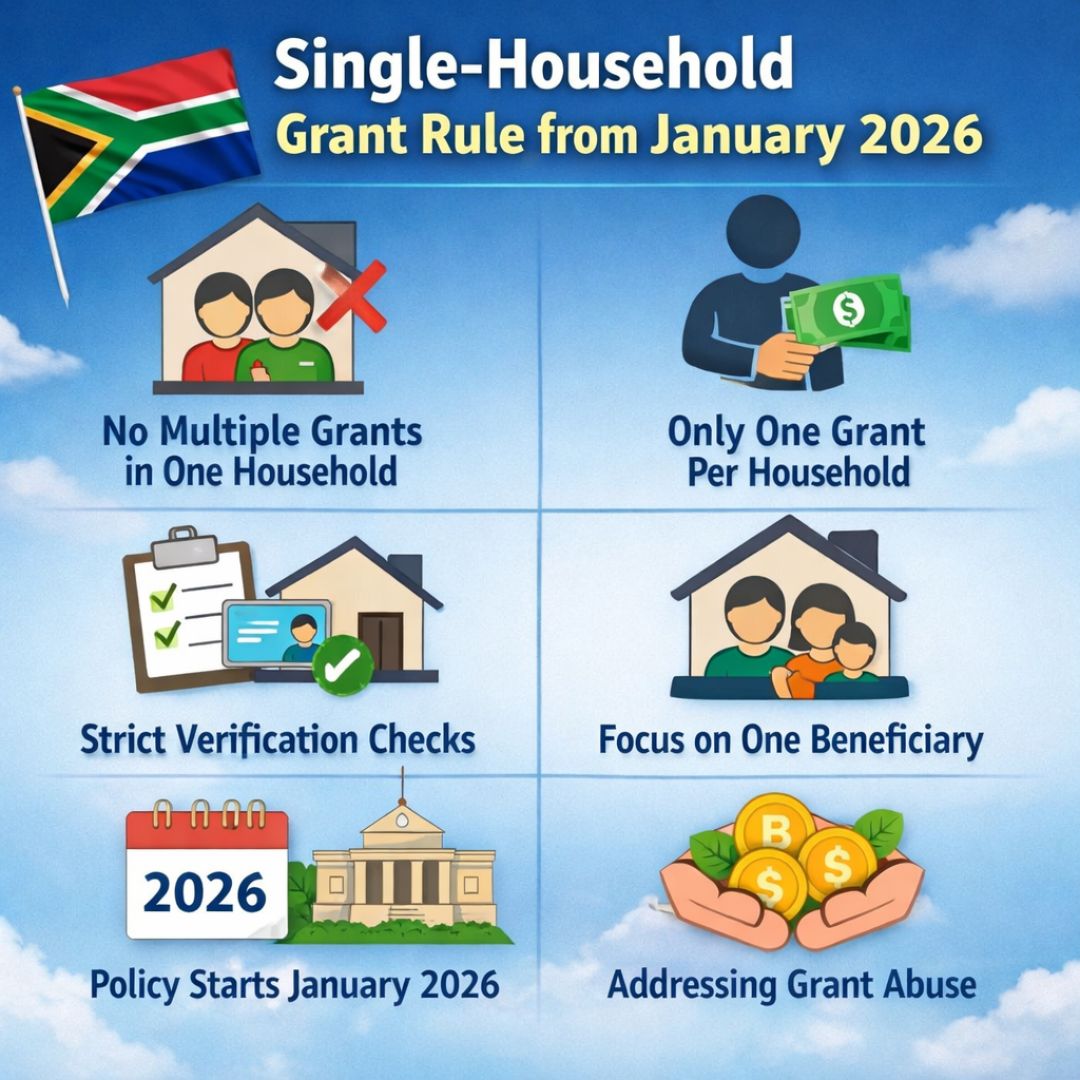
Comparison: Before and From 17 January 2026
| Aspect | Before January 2026 | From 17 January 2026 |
|---|---|---|
| Assessment basis | Individual applicants | Household evaluation |
| Overlapping grants | Often allowed | Restricted |
| Verification level | Basic checks | Enhanced reviews |
| Risk of suspension | Lower | Higher if non-compliant |
| Goal | Wider coverage | Targeted support |
