South Africa is preparing for a major shift in its electricity regulatory and institutional framework, with new electricity laws expected to be fully implemented nationwide in 2026. These reforms are designed to stabilise the power sector, strengthen supply reliability, and introduce a more modern structure for the national electricity grid. The updated regulations will affect electricity usage and management at every level, from individual households to municipalities, as well as both state-owned and private electricity providers.

Reasons Driving the New Electricity Law Reforms
The primary motivation behind revising South Africa’s electricity laws is to resolve long-standing structural challenges within the energy sector. These include ongoing supply constraints, ageing and deteriorating infrastructure, and steadily rising electricity demand. The reforms are intended to build a more adaptable and resilient energy system, while also improving governance through clearer management structures and stronger accountability measures across the sector.

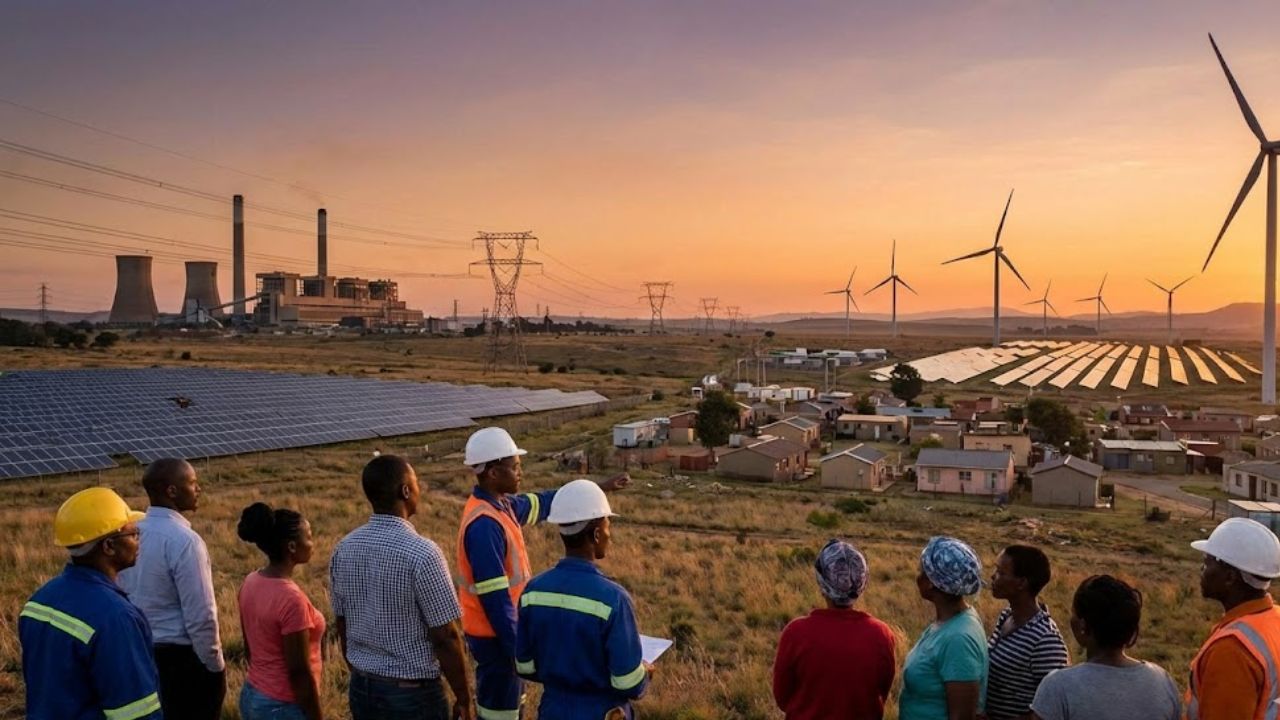
How the 2026 Electricity Laws Will Affect Households
For households, the 2026 electricity law changes will shape how electricity is supplied, monitored, and billed at the local level. Regulatory adjustments may apply to power connections, usage standards, and compliance requirements. These measures aim to improve overall service delivery and system efficiency. As a result, households are encouraged to stay informed about the rollout of new rules and how they may influence daily electricity use.
 SASSA Bonus Grant 2026: Payment dates amount rules and eligibility checks beneficiaries must follow
Strengthening Electricity Supply and System Reliability
A central focus of the new legislation is enhancing electricity supply reliability across the country. Updated regulatory oversight and planning mechanisms are expected to help reduce power interruptions and support better long-term energy planning. While immediate outcomes may vary by region, the broader objective is to deliver greater stability and consistency in electricity supply nationwide.
 SASSA SRD payment dates January 2026: What to expect eligibility checks and status tracking steps

What Consumers Need to Be Ready For
As 2026 approaches, households are advised to prepare by understanding potential changes to electricity regulations. This includes maintaining accurate billing records, monitoring electricity consumption, and following official updates from relevant authorities. The revised legal framework is expected to place stronger emphasis on compliance and accountability for all electricity users.
Looking Ahead to Full Implementation in 2026
As implementation timelines draw closer, the rollout of the new electricity laws is expected to become more transparent for the public. Official guidance will likely be issued to support both households and service providers during the transition. The 2026 electricity reforms mark a significant transformation in South Africa’s power sector, shaping the future of electricity production, regulation, and consumption across the country.