
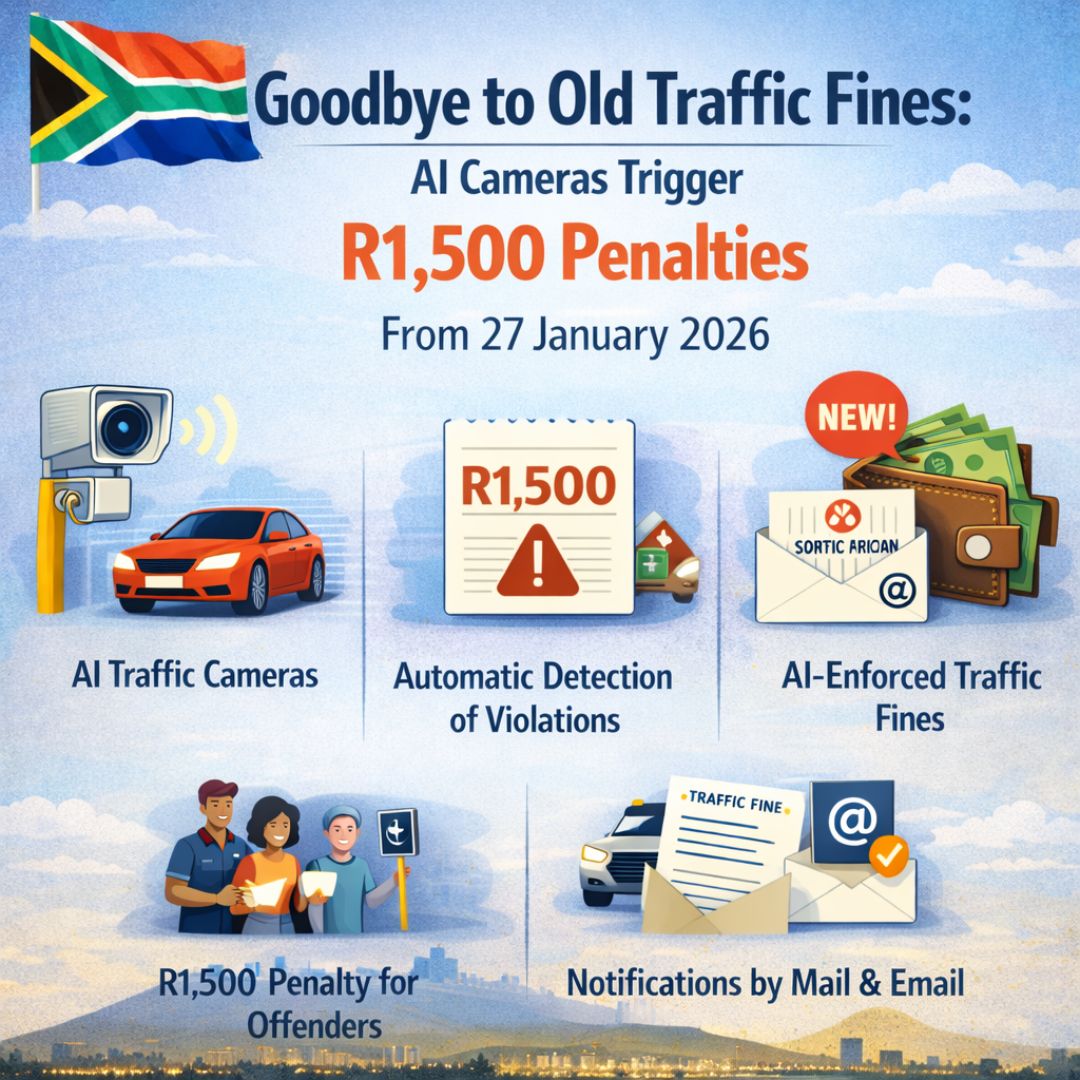
South Africa is entering a new phase of road enforcement as advanced AI-powered traffic cameras start to replace many traditional monitoring methods. Starting from 27 January 2026 motorists in several key provinces will face stricter enforcement with fines reaching up to R1500 for certain offences. Authorities say the upgrade is designed to improve road safety & reduce dangerous driving habits while modernizing systems that have struggled with inconsistent enforcement for years. As these changes take effect drivers will need to understand how AI cameras work & which actions can result in penalties to avoid unexpected costs.

AI Traffic Cameras Roll Out: Fines Reach Up to R1,500
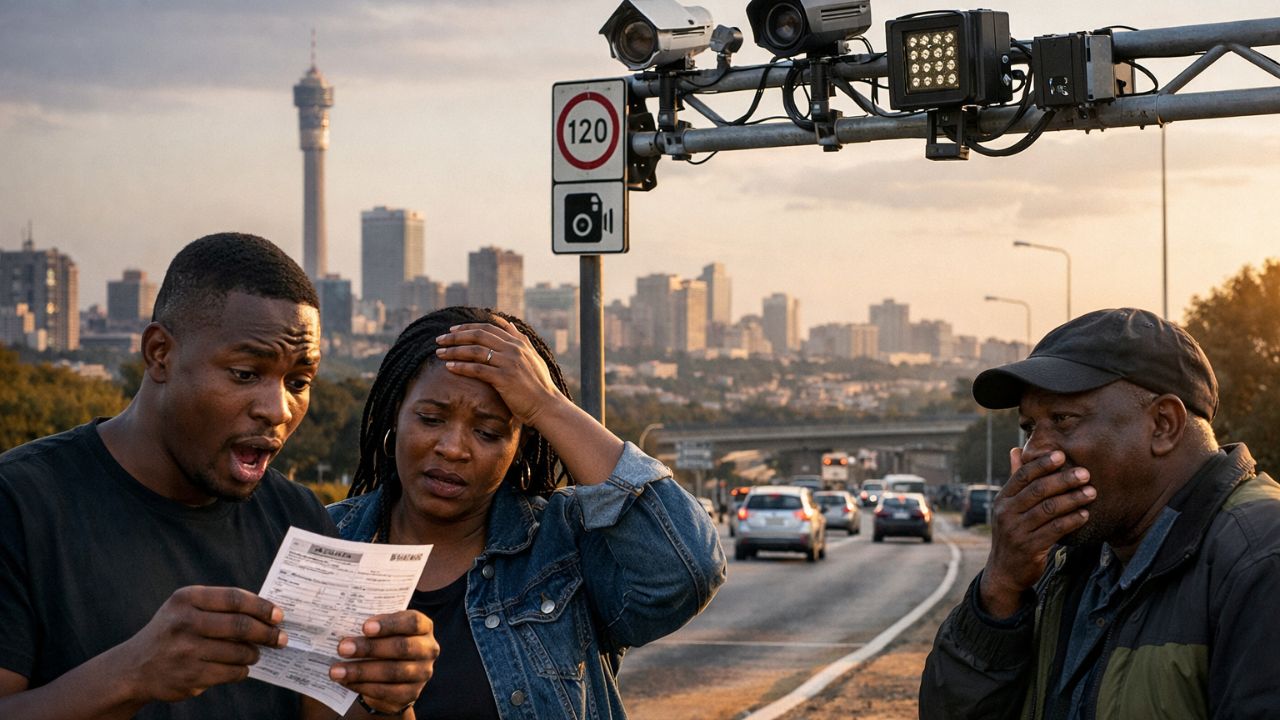
The introduction of AI-powered traffic monitoring marks a significant transformation in how road laws are enforced across South Africa. Unlike previous systems that relied heavily on manual checks, the new technology uses real-time data analysis to automatically detect violations. This reduces human error and limits selective enforcement. Officials note that automated detection allows for quicker fine processing and fewer disputes. With precise number plate recognition and instant data recording, offences are logged immediately, ensuring motorists face a more consistent and stricter enforcement across monitored routes.

R1,500 Fines Target High-Risk Driving Offences
The revised fine structure focuses on behaviours most associated with accidents and traffic congestion. Key violations under scrutiny include excessive speeding, running red lights, and improper lane usage. Authorities emphasise that the priority is risky driving conduct rather than minor infractions. AI-driven speed tracking captures even brief periods of speeding with high accuracy, while signal-linked cameras provide clear visual evidence of red-light violations. With these higher penalties in place, officials aim to encourage motorists to drive more cautiously and adhere to road rules consistently.
 SASSA Bonus Grant 2026: Payment dates amount rules and eligibility checks beneficiaries must follow
How AI Cameras Affect Daily Driving Habits
For everyday drivers, AI enforcement means maintaining safe driving practices at all times, not just near visible cameras. These systems operate 24/7, promoting consistent speed control instead of sudden braking near checkpoints. As camera coverage expands, areas previously considered unmonitored may now be subject to oversight. The technology fosters responsible driving habits and indirectly rewards caution. Over time, authorities expect these measures to improve road safety as compliance becomes habitual rather than reactive.
 SASSA SRD payment dates January 2026: What to expect eligibility checks and status tracking steps
What the AI Camera Rollout Means for Drivers
The deployment of AI cameras represents a cultural shift in road responsibility. While some motorists raise concerns about privacy, officials argue that data-driven enforcement ensures greater fairness and transparency. Faster fine processing is expected to reduce administrative backlogs, while consistent enforcement gives law-abiding drivers more certainty. Ultimately, the initiative aims to create safer roads where following traffic laws becomes routine, not dependent on occasional manual checks.

| Violation Type | Previous Enforcement Method | AI Camera Enforcement | Maximum Fine |
|---|---|---|---|
| Speeding | Manual speed traps | Automated speed analysis | R1,500 |
| Red light violations | Officer observation | Signal-linked AI cameras | R1,500 |
| Lane violations | Spot checks | Continuous lane monitoring | R1,000 |
| Illegal turns | Manual reporting | Pattern recognition AI | R750 |
