South Africa is bringing in major electricity law changes in 2026 that will impact households and businesses as well as power producers. These reforms represent the government’s push to modernise the energy sector and improve reliability while encouraging sustainable power usage across the country.

Why South Africa Is Revising Its Electricity Laws
South Africa’s updated electricity laws are designed to address persistent challenges such as ongoing load shedding, ageing power infrastructure, and the growing need to integrate renewable energy sources into the national grid. The revisions focus on improving overall system efficiency, creating conditions that attract investment in energy generation, and strengthening long-term planning. Together, these measures aim to deliver a more reliable, stable, and sustainable electricity supply for households and businesses across the country.

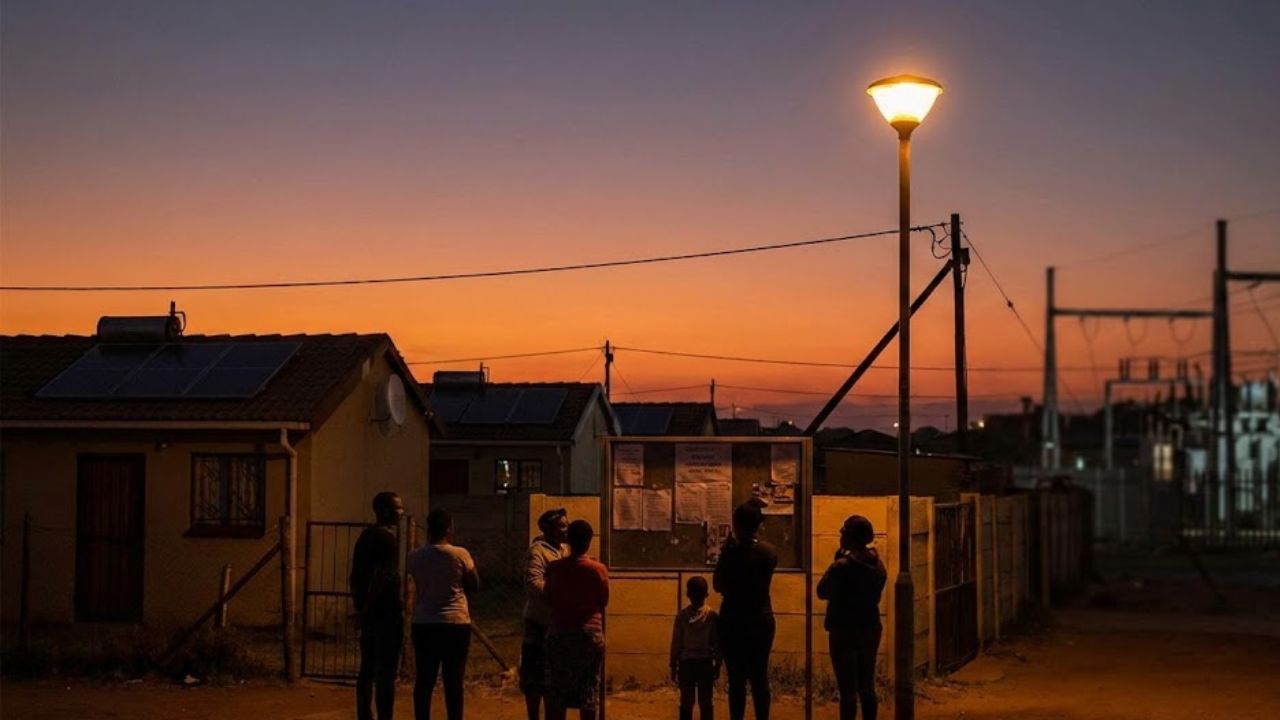
Expanded Consumer Rights and Stronger Protections
Under the 2026 regulatory structure, households are set to benefit from enhanced consumer protections, particularly around billing practices and dispute handling. Electricity bills are expected to become clearer and easier to understand, with standardised tariff information that improves transparency. In addition, consumers will have access to more effective dispute-resolution channels, making it easier to challenge incorrect charges, billing errors, or unfair practices when they arise.

Reforms to Tariffs and Billing Models
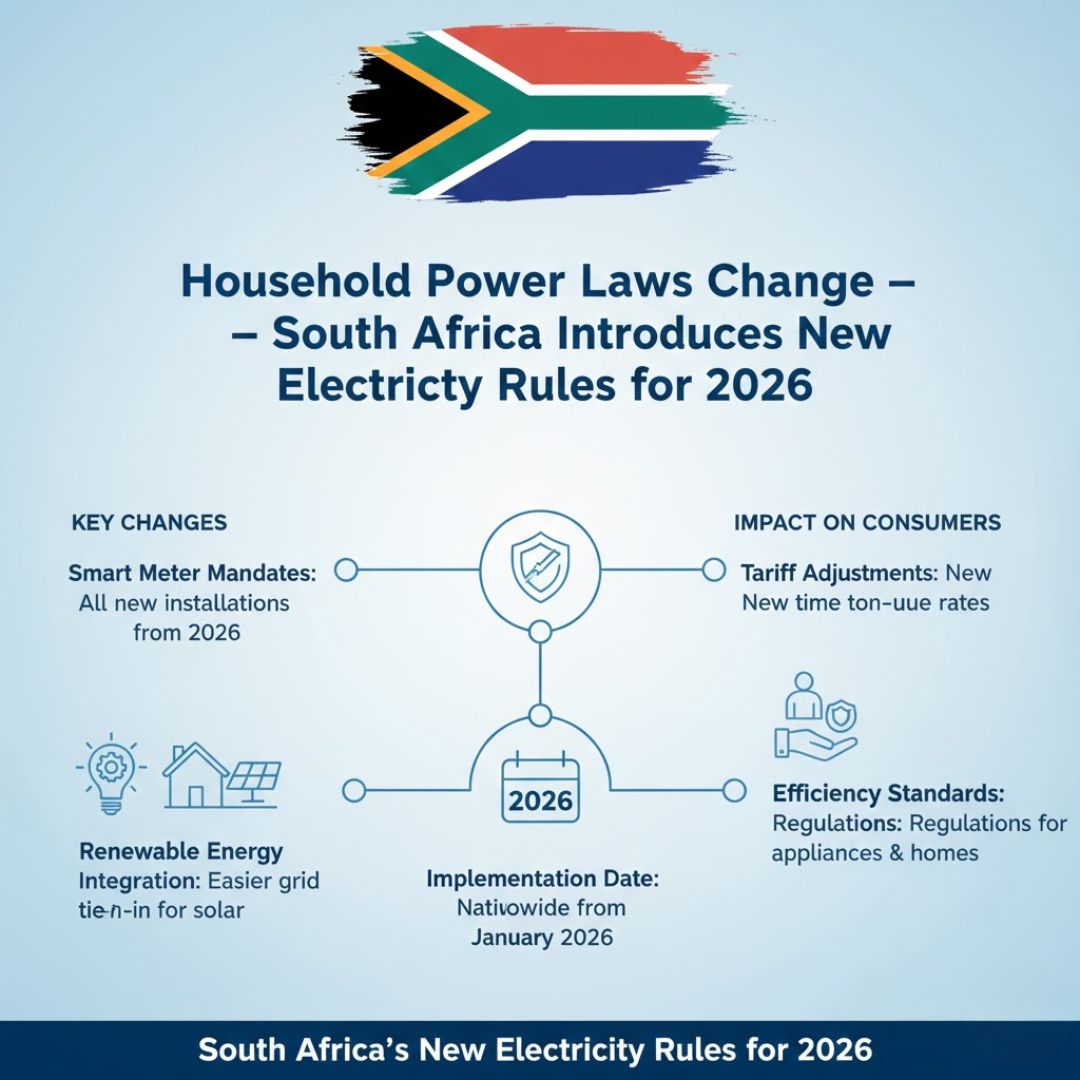
The new electricity laws may reshape how tariffs are calculated and applied. Rather than relying solely on uniform pricing, billing structures could move toward usage-based or time-of-use pricing. This approach may result in households paying different rates during peak and off-peak periods. By aligning costs with demand on the grid, the system encourages consumers to shift electricity use to times when pressure on supply is lower.
Renewable Energy Options for Households
To support the transition to cleaner power, the updated regulations promote household-level renewable energy solutions. Measures are expected to encourage the adoption of rooftop solar systems, battery storage, and other green technologies. New incentives or revised connection requirements could make it simpler and more affordable for households to generate, store, and use their own renewable electricity.

Greater Focus on Energy Efficiency and Demand Control
Energy efficiency is likely to play a larger role under the 2026 electricity laws. Households may gain access to efficiency-focused programmes that support the use of energy-saving appliances and demand-response options. These measures are designed to help reduce overall consumption, ease strain on the grid, and lower electricity costs for consumers over time.
What the 2026 Electricity Laws Mean for Households
South Africa’s electricity law updates taking effect in 2026 mark a major shift in power regulation, pricing, and consumption. Households should expect changes in how electricity is billed, how tariffs are structured, and how they can participate in renewable energy solutions. Staying informed and preparing for these adjustments will help residents manage expenses more effectively and benefit from a more dependable energy system.