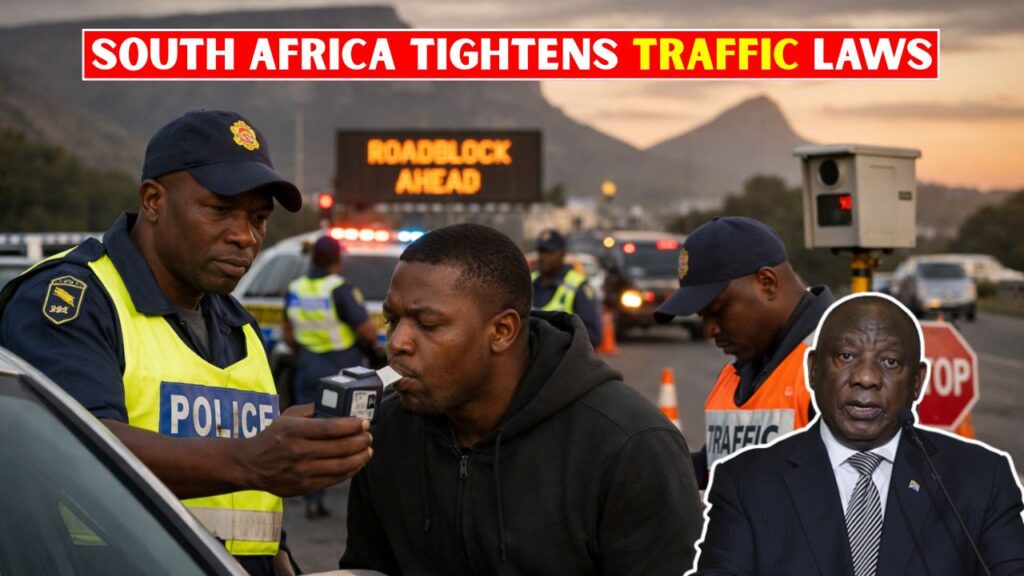
The Republic of South Africa is set to introduce wide-ranging traffic law changes in 2026 aimed at improving road safety and reducing the country’s persistently high levels of road accidents and fatalities. These revised regulations form part of a broader national strategy focused on strengthening legal compliance, improving enforcement practices, and increasing driver accountability. Under this approach, stricter and more consistent enforcement is expected to take priority across the country.
Strengthening Enforcement to Reduce Fatalities
A central pillar of the 2026 traffic law reforms is the introduction of much stricter enforcement measures. Traffic authorities are expected to intensify roadside inspections, ensuring that all motorists comply with licensing requirements, vehicle roadworthiness rules, and safety regulations. The new focus shifts away from repeated warnings and places stronger emphasis on real consequences for offenders, reinforcing accountability and discouraging ongoing violations.

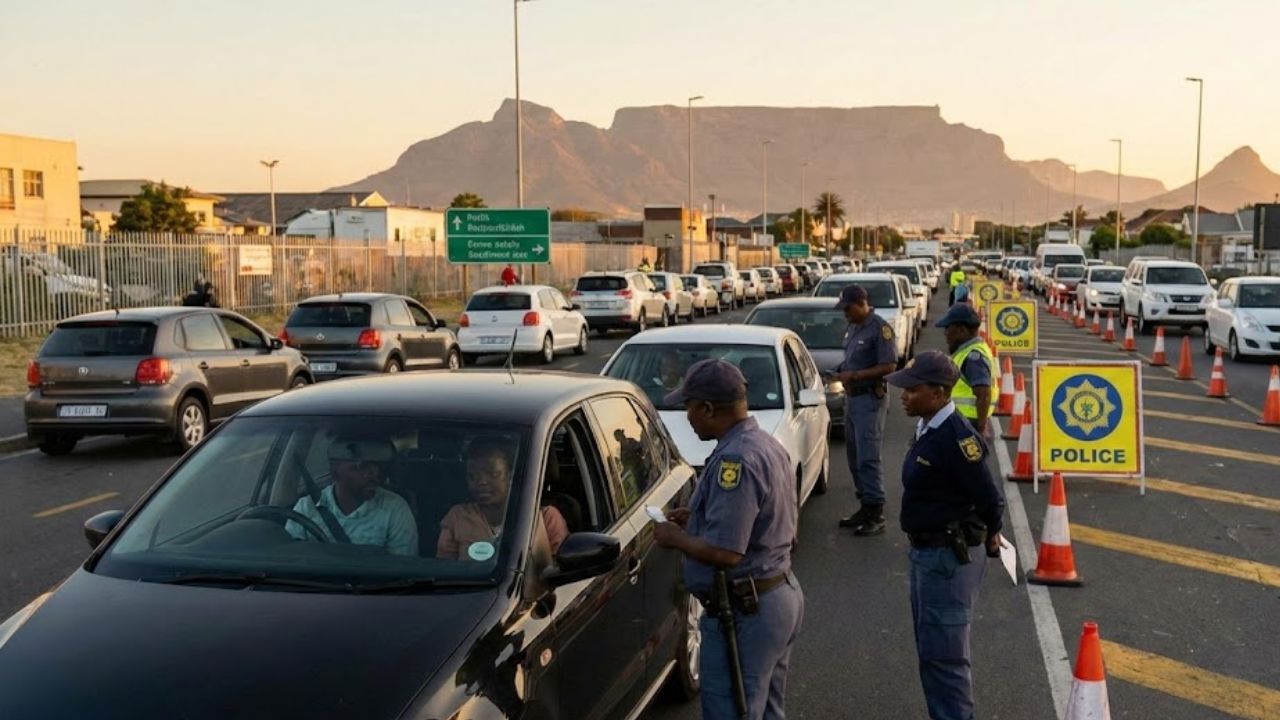
How the New Rules May Affect Daily Driving
The updated regulations are likely to generate public debate, particularly among everyday drivers adjusting to stricter controls and enforcement. Past experiences with measures such as anti-helmet laws and Covid-related restrictions have shown that resistance can increase when compliance feels forced. As penalties escalate and enforcement becomes more visible, addressing non-compliant behaviour may prove increasingly challenging, especially when tragic incidents continue to occur despite existing laws.
 SASSA Bonus Grant 2026: Payment dates amount rules and eligibility checks beneficiaries must follow
Looking Ahead to the 2026 Traffic Changes
Attention has also been drawn to e-scooter usage and how emerging forms of transport fit into the legal framework. In Kentucky, legislation has clarified when an e-scooter is classified as a vehicle, placing it at the lowest level of the transport hierarchy. Under these rules, law enforcement officers are empowered to treat e-scooter riding as an infraction in itself, with authority extending to the removal of the device when necessary.
 SASSA SRD payment dates January 2026: What to expect eligibility checks and status tracking steps
Steps Drivers Should Take to Prepare
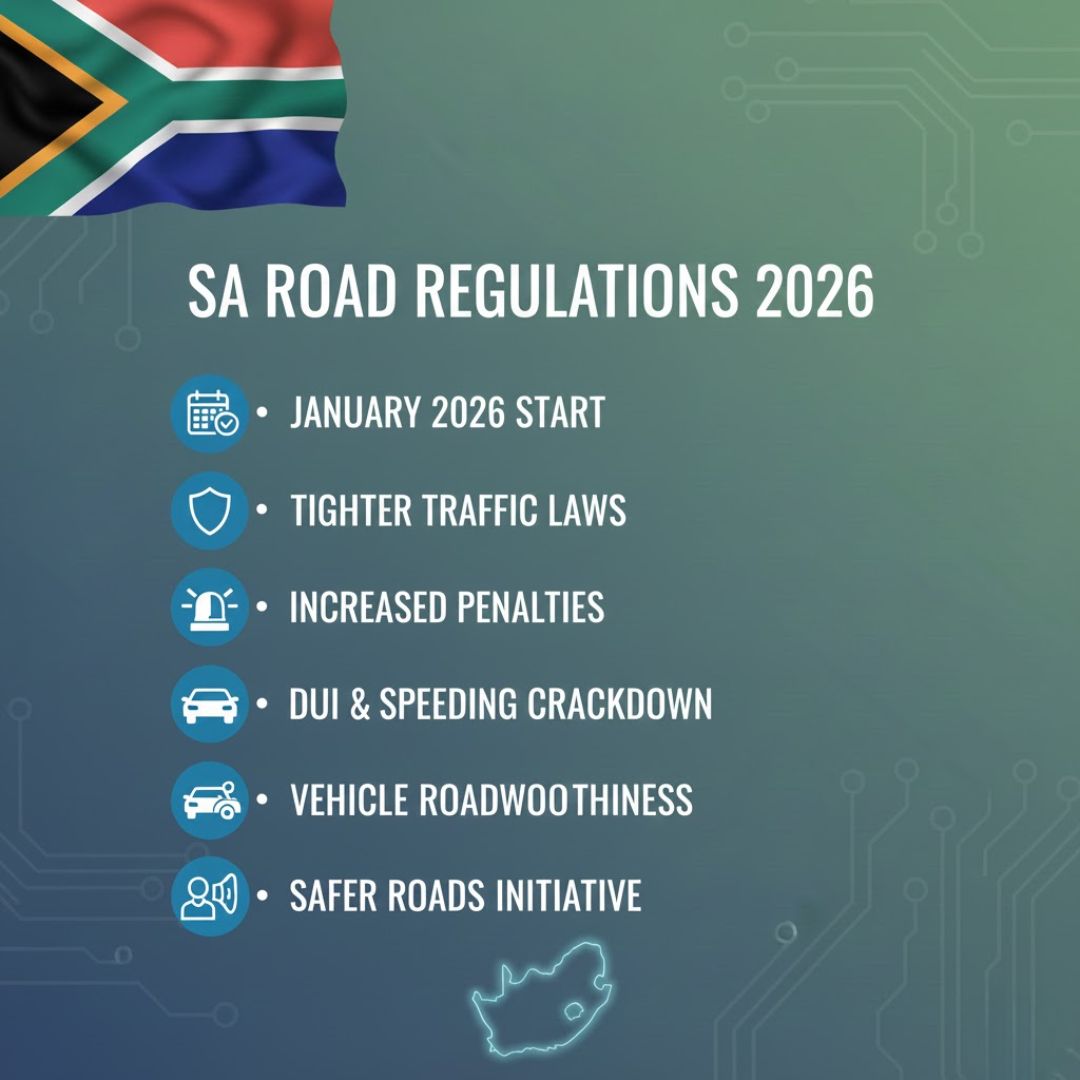
As the 2026 traffic law changes approach, motorists are encouraged to take proactive steps to prepare. This includes ensuring that driving licences remain valid, vehicles are kept roadworthy, and driving habits align with existing laws. Being prepared in advance is seen as the most effective way to avoid fines, delays, or legal complications once the new regulations are fully enforced.
Expectations in the Period Ahead
As 2026 draws closer, authorities are expected to release additional guidance and explanations regarding the revised traffic laws. Drivers are advised to stay informed and treat these changes with serious attention. The upcoming regulations reflect a clear push toward safer roads, placing greater responsibility on all road users to respect the law and actively contribute to a safer driving environment in South Africa.