On 10 January South Africa experienced a severe energy crisis as Stage 6 loadshedding hit numerous regions nationwide. This intense level of power cuts interrupted everyday activities and exposed persistent issues within the national energy infrastructure. People & businesses rushed to find alternatives while the hardest-hit areas endured extended blackouts. This loadshedding incident is significant for every South African. The regions that suffered the worst power cuts faced substantial difficulties. Communities had to adjust to functioning without electricity for prolonged periods. This crisis raises important questions about how South Africa will manage power in the future and whether the energy sector can implement the required changes to prevent similar situations from happening again.
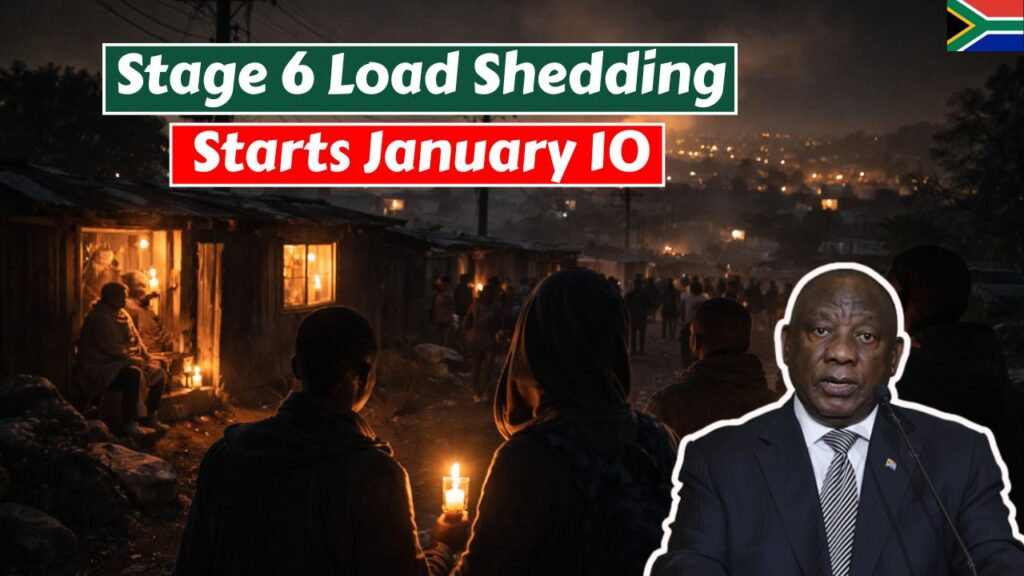
Stage 6 Load Shedding Explained: How the Power Crisis Impacts South African Households
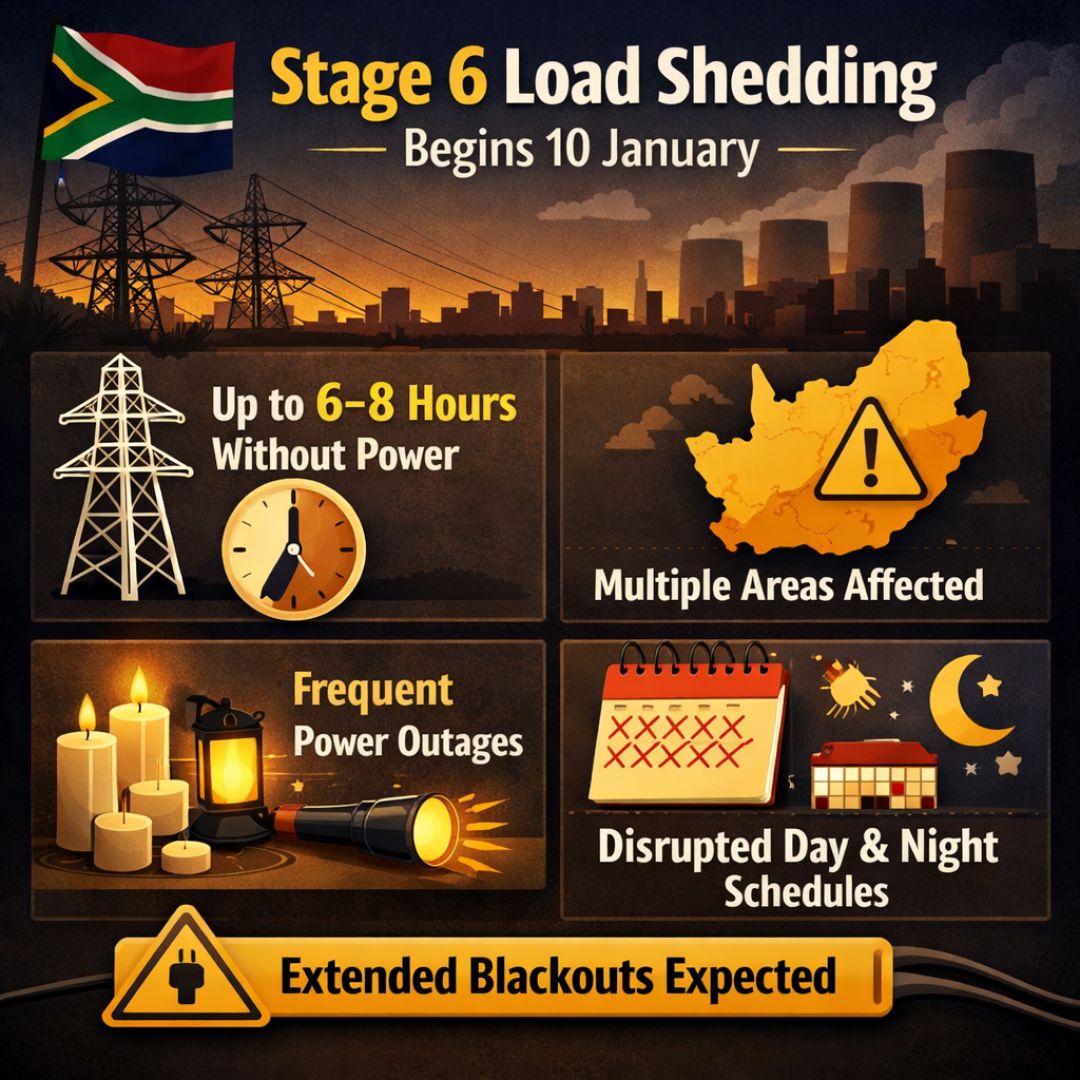
Load shedding is a familiar challenge for most South Africans, but Stage 6 represents a far more severe level of disruption. At this stage, electricity outages can last for up to six hours a day, affecting homes, businesses, and essential services nationwide. Eskom implements Stage 6 to protect the national grid from a total collapse when electricity demand significantly exceeds supply. Power restrictions at this level are much stricter than in lower stages, resulting in more frequent and longer outages for communities.

Everyday life is heavily affected during Stage 6. Households struggle with basic activities such as preparing meals, charging devices, and keeping food refrigerated. Businesses face repeated interruptions that reduce productivity and income. Hospitals, clinics, and police stations also battle to function effectively, while the broader economy slows as working hours are lost. Maintaining normal routines becomes increasingly difficult as electricity shortages persist.

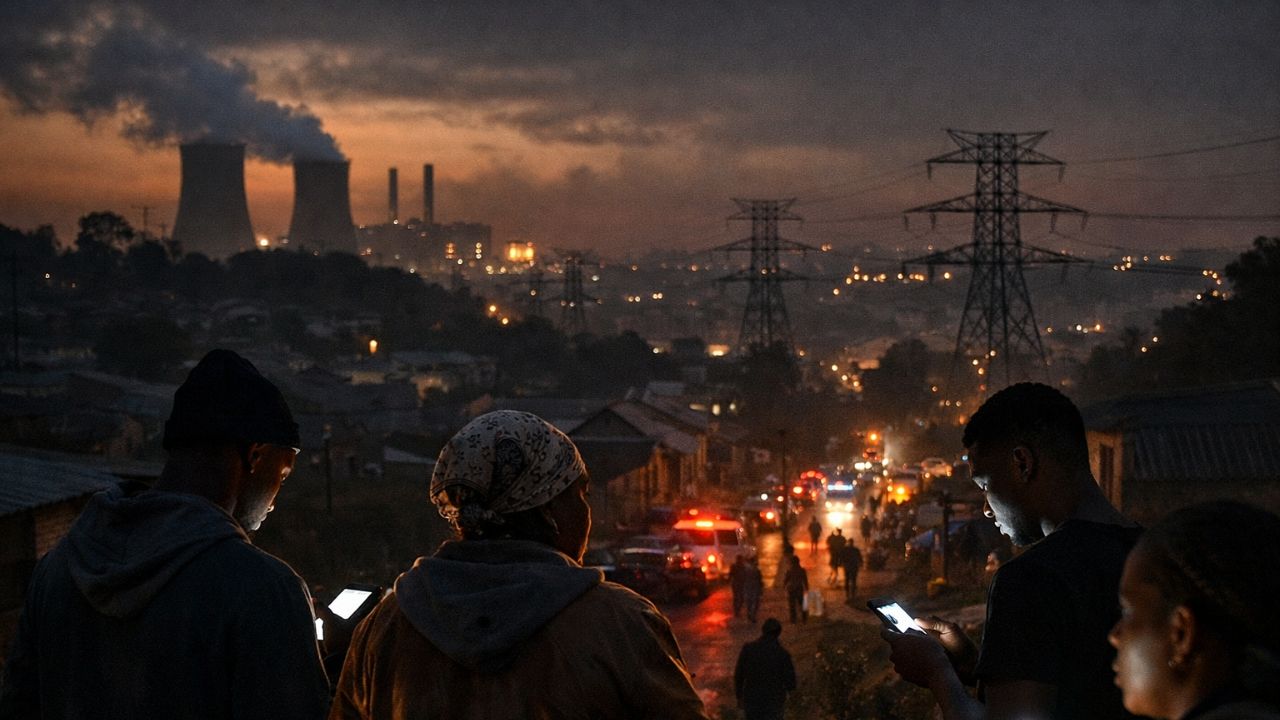
Worst-Affected Regions: Areas Experiencing the Longest Power Cuts Since 28 December
The load shedding implemented on 28 December disrupted daily life across South Africa, with some regions experiencing far greater impact. Major cities and industrial hubs endured the longest and most frequent blackouts due to their higher electricity consumption. These extended outages disrupted daily activities and placed pressure on public services and businesses.
Residents in heavily affected areas were urged to reduce electricity usage and prepare for ongoing outages. Businesses had to respond quickly by relying on backup generators or adjusting operating hours to limit financial losses. The uneven impact highlighted how regions with high power demand are especially vulnerable when load shedding reaches advanced stages.
Coping With Long Outages: How Homes and Businesses Are Reshaping Daily Life
With power cuts now a regular reality, South Africans are learning to adapt. Households and businesses have reorganized daily routines to function around scheduled outages, reshaping how people live and work. These adjustments have become part of everyday life.
Many families are turning to alternative energy solutions to maintain electricity access. Solar panels and battery storage systems have become increasingly popular among those seeking reliable power during grid failures. As a result, more people are working to reduce dependence on the national grid and adopt independent solutions to stay connected and productive.
Eskom Under Strain: Emergency Grid Actions and Government Power Responses
The South African government plays a critical role in managing the country’s electricity supply and addressing the ongoing energy crisis. Current efforts focus on stabilizing the grid by increasing power generation, upgrading infrastructure, and encouraging more efficient electricity use. However, progress has been slow due to long-standing challenges.

Aging power stations, inadequate maintenance, and limited capacity continue to strain the system. To address these issues, the government is exploring partnerships with private sector companies to attract investment into energy production. Expanding renewable energy and modernizing existing facilities remain key priorities, alongside promoting improved energy efficiency across industries to secure a more reliable power supply in the future.
Communities Take Action: Local Efforts to Manage Ongoing Power Interruptions
Communities across South Africa are no longer relying solely on national solutions to address load shedding. Neighborhood-led initiatives are emerging to manage electricity shortages through localized projects aimed at reducing dependence on the grid and encouraging sustainable energy practices.
Community programs educate residents on cutting electricity use during peak periods. Support from small businesses and non-governmental organizations is helping renewable energy projects grow at a local level. Together, these efforts are strengthening communities and helping them remain resilient during repeated and prolonged power disruptions.
Beyond the Grid: Growing Demand for Backup Power, Solar, and Smart Energy Solutions
Technology is playing an increasing role in helping South Africa cope with its electricity challenges. Innovations such as smart grids and energy storage systems are improving how electricity is distributed and used, easing pressure on the national grid.
Smart meters and home energy management systems allow users to monitor consumption in real time, helping them make informed decisions about when and how they use power. When combined with solar panels and battery backups, these solutions enable homes and businesses to better control their energy needs and continue operating during extended power outages.